
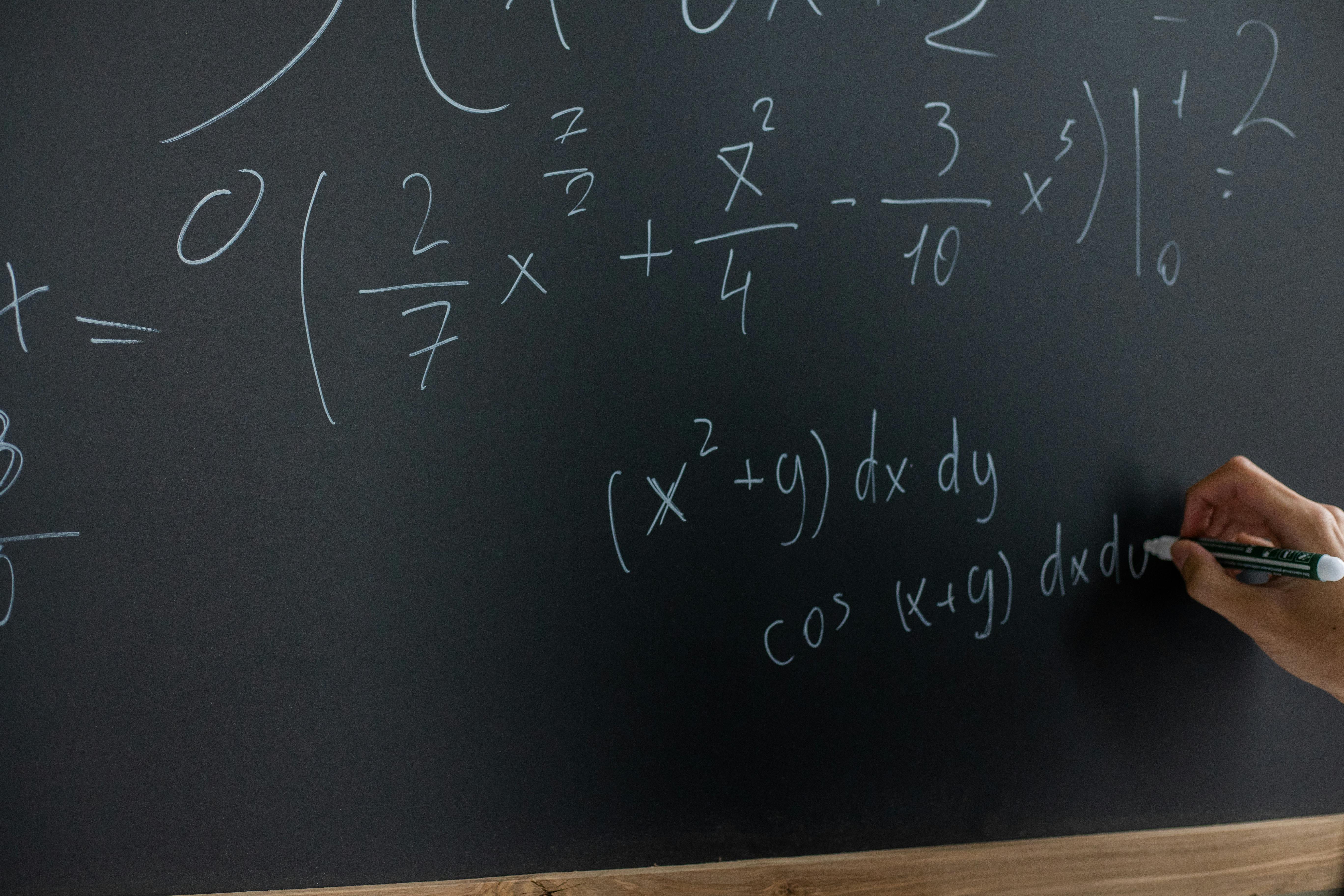
Mathematics is often taught in abstract terms, which can make it seem distant from everyday experience. Yet, in reality, mathematical thinking quietly shapes many of the decisions we make each day. From estimating time and cost to comparing options and managing resources, mathematics provides a framework for logical reasoning that supports daily life. When students recognize these connections, the subject becomes more relevant and far less intimidating.
Real-world applications offer a powerful way to deepen mathematical understanding. Concepts such as ratios, percentages, and linear relationships appear in contexts like cooking, budgeting, and travel planning. Even more advanced ideas—such as probability or optimization—inform decisions in fields ranging from healthcare to engineering. Seeing mathematics at work beyond the classroom helps learners appreciate not only how it functions, but why it is worth learning.
Understanding mathematics in everyday life also promotes critical thinking. Interpreting graphs in the news, evaluating statistics, or assessing risk all require mathematical literacy. Without these skills, it becomes difficult to make informed judgments in a data-driven world. Mathematics equips individuals with tools to question assumptions, analyze information, and draw reasoned conclusions.
As an educator, I believe that highlighting real-world connections fosters both motivation and confidence. When students see mathematics as a practical and meaningful discipline, they engage more actively and persist through challenges. Mathematics then becomes not just an academic requirement, but a valuable lens through which to understand and navigate the world around us.